
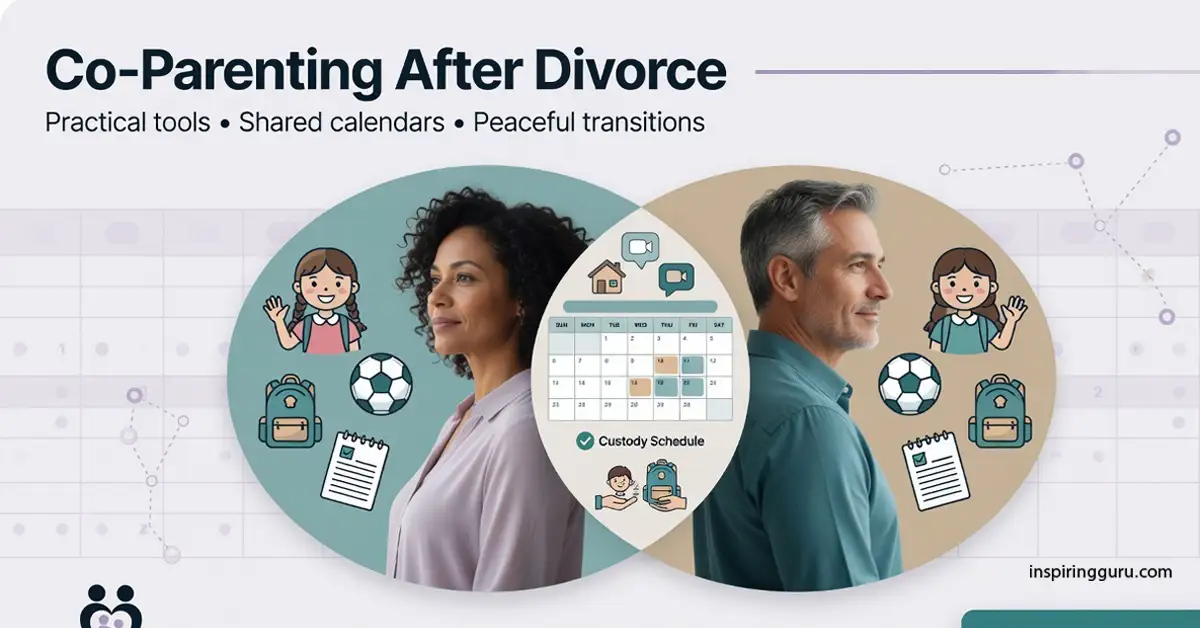
Co-Parenting After Divorce: Proven Tips for Better Communication, Schedules & Child Stability
Co-parenting after divorce can feel confusing, emotional, and even overwhelming—especially when the relationship between parents is strained. But co-parenting doesn’t require friendship or agreement on everything. It requires structure, respect, and consistent decisions that protect your child’s wellbeing.
The best co-parenting arrangements share three foundations: clarity, calm communication, and stability for the child. Below are practical, proven tips you can start using right away.
1) Keep the focus on your child’s best interests
Your child’s needs should guide scheduling, communication, and decisions—not adult emotions.
Child-first approach includes:
- Supporting emotional safety
- Reducing conflict exposure
- Encouraging a meaningful relationship with both parents (when safe)
- Keeping routines predictable
Quick action: Write a one-sentence goal for co-parenting, such as:
“Make transitions smooth and predictable so my child feels secure.”
2) Create (or refine) a clear parenting plan
A vague plan creates arguments. A detailed plan prevents them.
Include specifics like:
- Pick-up/drop-off times and locations
- Weekend/weekday schedule details
- School breaks, holidays, and birthdays
- Transportation expectations
- Medical appointments and emergencies
- How decisions are made (and how disagreements are handled)
Tip: If changes are needed, agree on a formal “request window” (example: at least 2–4 weeks notice unless it’s an emergency).
3) Use communication rules that reduce conflict
Most co-parenting problems happen due to communication style, not parenting intentions.
Try these rules:
- Keep messages short and factual
- Use one communication channel for logistics
- Avoid discussing personal issues in writing
- Reply within a set timeframe (example: 24 hours for non-urgent messages)
Example (stronger than complaints):
“Pick-up is at 5:00 PM today at the front entrance. Please bring the blue hoodie.”
4) Document important decisions and incidents
When emotions run high, documentation protects everyone and reduces misunderstandings.
Document:
- School messages and confirmations
- Medical-related receipts and notes (when relevant)
- Changes to schedule (in writing)
- Missed pick-ups/delays—only factual details
Rule: Record facts, not accusations.
5) Build stable routines for your child
Children adjust better when their daily rhythms don’t change dramatically between homes.
Focus on:
- Bedtime/wake time consistency (as much as possible)
- Similar meal and homework routines
- Screen-time expectations
- Transition rituals (same order of steps before leaving)
Quick action: Create a “home routine checklist” for each household and share what you can.
6) Plan holidays, birthdays, and special events in advance
Holiday conflict is one of the most common co-parenting stress points. Pre-decide the structure to avoid last-minute battles.
Common options:
- Alternate major holidays year-to-year
- Fixed schedule for birthdays
- Rotating school break weeks
- Trading events rather than renegotiating everything
Tip: Put the plan in writing so it doesn’t depend on memory or emotions.
7) Use “logistics-only” communication when emotions are high
When your relationship is tense, collaboration can worsen conflict. In that situation, reduce direct discussion and stick to essential details.
This can look like:
- Messages only about schedules, clothing, and school needs
- No debating parenting choices during transitions
- No “responding to provocation”
Goal: Keep communication functional, not personal.
8) Avoid involving your child in adult disagreements
Even when your child is old enough to notice everything, they should not act as a messenger or feel responsible for the conflict.
Avoid:
- Speaking negatively about the other parent in front of your child
- Asking your child to relay messages or arguments
- Turning drop-off into a debate
Child-safe script:
“I know changes can feel hard. We’re going to get you ready, and it’ll be okay.”
9) Handle pick-up and drop-off professionally
Transitions create tension for many families—so make them predictable.
Best practices:
- Be on time or communicate early if delayed
- Keep interactions brief and respectful
- Don’t argue at the handover
- Prepare your child before the transition (mentally and emotionally)
Tip: If possible, choose neutral handover locations and consistent procedures.
10) Use boundaries to prevent recurring problems
Boundaries reduce chaos.
Examples:
- No last-minute cancellations unless emergency
- No schedule changes without notice
- No adult topics during handovers
- No sharing private messages in public or on social media where children can see
Important: Boundaries work best when they’re consistent and written down.
11) Consider mediation or professional support when conflict persists
If communication has become stuck in constant tension, structured help can improve outcomes.
Options may include:
- Co-parenting mediation
- Family counseling focused on parenting after divorce
- Parenting coordination (where available)
- Legal advice for updating formal agreements
Why it helps: A neutral process reduces repeated arguing and supports stability for children.
Common Co-Parenting Mistakes to Avoid
- Threatening, punishing, or withholding time to gain leverage
- Using the child as a spokesperson
- Ignoring agreed-upon schedules
- Posting conflict online
- Mixing adult emotions into logistics discussions
Co-Parenting After Divorce: Quick Checklist
- [ ] A clear written parenting plan
- [ ] A reliable communication method (logistics-focused)
- [ ] Shared schedule for school + appointments
- [ ] Holiday/birthday system agreed in advance
- [ ] Consistent child routines and smooth transitions
- [ ] Documentation for key decisions/incidents
- [ ] Professional support if conflict blocks progress
Conclusion
Co-parenting after divorce is not about winning or proving who is right. It’s about building a stable environment where your child feels safe, supported, and cared for—regardless of adult relationship history.
Start with the basics: clarity in the plan, calm communication, predictable routines, and child-first decisions. With consistent effort, co-parenting can become smoother and healthier over time.